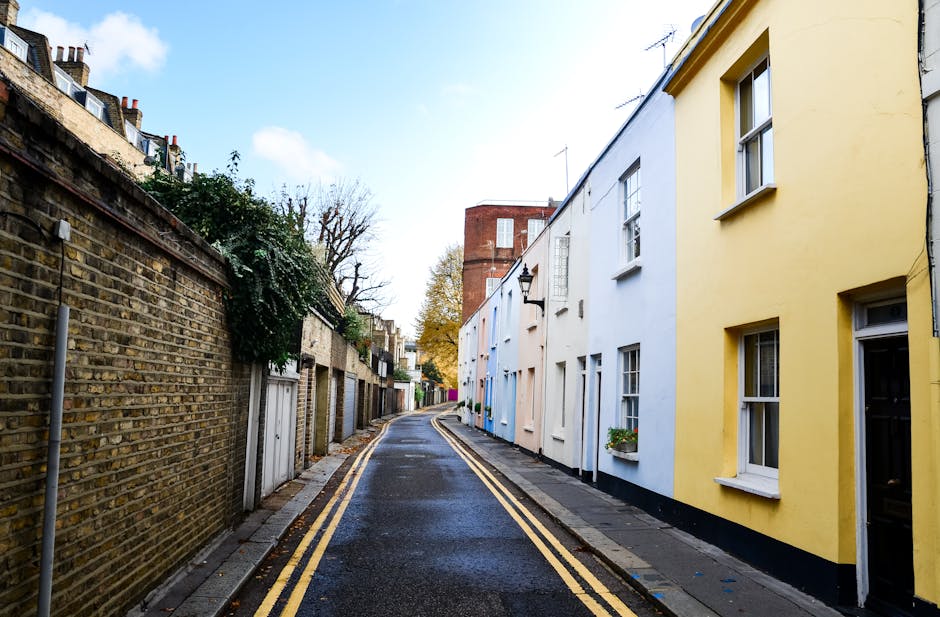
Gipsy Hill Road Furniture Removal Tips for Narrow Access Properties
If you live on Gipsy Hill Road and you're trying to move a sofa, wardrobe, bed frame, or office desk through a tight hallway, you already know the problem. Furniture removal sounds simple until a staircase turns sharply, a front door opens onto a cramped path, or a parked car blocks the only sensible loading space. These Gipsy Hill Road furniture removal tips for narrow access properties are written for exactly that kind of real-world headache. The aim is to help you plan properly, avoid damage, and make the whole job feel a lot less like a wrestling match with a three-seater sofa.
Truth be told, narrow-access removals are rarely difficult because of the furniture itself. They become difficult because of the approach, the timing, and the lack of room to manoeuvre. That is the good news, though. With the right prep, a sensible route, and a few practical decisions, even awkward properties can be cleared safely and efficiently. This guide covers how it works, what to watch out for, and the small details that make a big difference.
Table of Contents
- Why Narrow Access Furniture Removal Matters
- How It Works in Practice
- Key Benefits and Practical Advantages
- Who This Is For and When It Makes Sense
- Step-by-Step Guidance
- Expert Tips for Better Results
- Common Mistakes to Avoid
- Tools, Resources and Recommendations
- Law, Compliance, Standards, or Best Practice
- Options, Methods, or Comparison Table
- Case Study or Real-World Example
- Practical Checklist
- Conclusion
- Frequently Asked Questions
Why Narrow Access Furniture Removal Matters
Narrow access properties change everything. A removal job that would be routine in a modern block with a wide lift can become tricky in a terraced house, a converted flat, or a building with a shared stairwell and no proper turning space. On roads like Gipsy Hill Road, the issue is often a mix of tight entrances, stepped access, uneven paths, and limited roadside parking. One wrong move and you can end up with scratched walls, a bruised corner, or a very unhappy neighbour peering out from behind the curtain. We've all seen that moment.
The reason this matters is simple: good planning protects the furniture, the property, and the people doing the lifting. It also saves time. If a removal team has to stop repeatedly to rotate a wardrobe, re-measure a doorway, or wait for access to clear, the job stretches out fast. And if you're managing the move yourself, the strain is even greater. Narrow access is not just an inconvenience; it changes the whole method.
There's also a safety angle. Heavy furniture in confined spaces is more than awkward. It can be risky. Fingers get trapped, backs twist, and items can slip on stairs or snag on bannisters. The better the access plan, the less likely you are to have a messy little accident that turns a simple removal into a repair job too.
In short: the tighter the access, the more the job depends on preparation, not brute force.
How It Works in Practice
Narrow-access furniture removal is usually less about "lifting harder" and more about "moving smarter." The process starts with a look at the route from the room to the vehicle or loading point. That route may involve a front doorway, a hallway bend, one or two flights of stairs, a shared landing, and maybe a small front garden gate. Each part of the route needs a quick reality check.
Good removals teams typically break the job into stages:
- identify the largest items first
- measure the tightest points, not just the rooms
- clear the route before lifting anything
- protect surfaces that are likely to get knocked
- assign enough people for the size and shape of the furniture
- load in the right order so bulky items do not block access later
That order matters more than people think. For example, if a bulky sofa goes into the vehicle last, it may trap smaller items and make the loading process miserable. If it goes in first, the rest of the load can be built around it. Simple, but effective.
In narrow properties, the job often benefits from partial dismantling. Removing legs, shelves, or doors can turn an impossible carry into a manageable one. A wardrobe that won't fit round a stairwell bend may pass easily once the top section is taken off. Not glamorous, perhaps, but very practical.
For bigger property clearances, many people also pair furniture removal with broader clearance services such as home clearance or flat clearance when more than one room needs attention. That can be especially useful in compact homes where access is the limiting factor for the entire job, not just one item.
Key Benefits and Practical Advantages
Done properly, narrow-access furniture removal gives you a few real wins beyond simply getting rid of stuff.
- Less damage: careful route planning reduces knocks, scrapes, and chipped paint.
- Faster turnaround: once the route is clear, the job moves with fewer stops and fewer awkward resets.
- Lower stress: there's a lot to be said for not having to angle a sofa through a staircase for the fifth time.
- Better safety: fewer rushed lifts and fewer cramped manoeuvres mean less risk for everyone.
- Cleaner handover: if you are moving out, a tidy and properly cleared property is easier to present.
There's also a financial angle. Preventing damage and reducing wasted time can be more cost-effective than trying to handle a difficult removal blindly. If you're comparing service options, it often helps to look beyond the headline price and ask what level of access planning is included. A cheap quote can become expensive if the team arrives under-prepared and the job stalls halfway through.
One useful habit is to think in terms of "obstacles per metre." That sounds a bit nerdy, fair enough, but it helps. Every narrow doorway, tight corner, low ceiling, and parked car becomes part of the moving equation. Once you spot the obstacles early, the rest gets easier.
Who This Is For and When It Makes Sense
This guidance is for anyone dealing with a property where standard removal methods are likely to fall short. In Gipsy Hill and the surrounding streets, that often includes:
- tenants in upper-floor flats with slim staircases
- homeowners in older terraces with tight hallways
- landlords clearing furnished rentals between tenancies
- families replacing large furniture in homes with limited access
- people managing an inherited property that needs a full clear-out
- small offices or studios with awkward internal layouts
It makes sense to use these tips any time the furniture is large, valuable, fragile, or simply awkwardly shaped. A heavy solid-wood table is one thing. A glass-front cabinet with fixed shelving and no easy grip points is another thing entirely. If you're looking at the item and thinking, "How on earth is that going to turn the corner?" that is a sign to slow down and plan properly.
These tips also help if you are coordinating removals alongside other services. For example, a property may also need general waste removal, a loft clear-out, or a garage tidy before the furniture leaves. If the access is limited, the sequence matters. You might want to review related services such as furniture clearance, loft clearance, or garage clearance if you are dealing with more than one storage area at the same time.
And to be fair, sometimes the sensible decision is not to force anything. If the access is truly tight, a slight delay to dismantle, measure, or rearrange parking can save a lot of grief later.
Step-by-Step Guidance
Here is the practical version. No fluff, no theatrical moving-day drama. Just the steps that actually help.
- Walk the route first. Start from the furniture location and trace the path to the exit. Check every corner, landing, doorway, banister, and threshold.
- Measure the widest items. Don't assume the item will fit because it "looks okay." Measure width, height, depth, and especially awkward protrusions like handles or fixed arms.
- Measure the tightest access points. Doorways are obvious, but stair turns, front gates, and internal arches are often the real problem.
- Decide what can be dismantled. Remove legs, doors, cushions, shelves, headboards, or detachable parts where safe and sensible.
- Clear the route completely. Move shoes, mats, lamps, planters, bikes, bins, and anything else that can catch a shoulder or trip a foot.
- Protect walls and floors. Blankets, corner guards, and floor coverings can make a big difference in narrow hallways.
- Plan the carry team. Some items need two people. Others need three for the awkward lift rather than for the weight alone.
- Stage the load area. Keep the exit clear and decide where items will go before you start moving them.
- Load the vehicle strategically. Put heavier and bulkier items in first, then stack around them without crushing fragile pieces.
- Do a final sweep. Check for screws, fittings, and small parts so nothing goes missing in the shuffle.
That sounds straightforward, and mostly it is. The real trick is not skipping steps because you feel rushed. A calm ten-minute prep can save half an hour of awkward shuffling later. Sometimes more.
Expert Tips for Better Results
Experienced removal teams tend to do a few things almost automatically. They're not mysterious tricks; they're just habits that work.
1. Measure the pinch points, not the room
A room can feel spacious while the doorway is the true bottleneck. Measure the narrowest part of the route first. If the item clears that, the rest becomes easier to judge.
2. Use the right angle, not more force
Furniture often fits when tilted, rotated, or carried vertically. A sofa may pass a doorway on its end where it would never fit flat. The same goes for wardrobes and desks. The trick is knowing when the angle helps and when it starts to make the item unstable.
3. Strip off anything loose before moving
Cushions, drawers, glass shelves, and detachable feet should usually be removed where possible. Loose parts create drag, bounce, and noise. Plus, there's nothing like a drawer sliding out halfway down the hall to ruin the mood.
4. Protect the route before you begin
People often try to protect walls after the first scrape. By then, of course, the damage is done. A few soft covers or padding points in advance are well worth it.
5. Watch the lighting
Dim hallways and overcast afternoons can make tight access feel even tighter. A small torch or extra indoor light can help you see thresholds and corners more clearly. It sounds minor, but it really matters when the stairwell is shadowy and the item is wider than your shoulders.
6. Respect the neighbour factor
On roads like Gipsy Hill Road, access can affect more than your own property. Shared entrances, parked cars, and narrow pavements mean a little courtesy goes a long way. A quick heads-up to neighbours can prevent a lot of friction.
One more thing: if an item looks too awkward for one person to guide safely, it probably is. No prizes for heroics.
Common Mistakes to Avoid
The biggest removal mistakes in narrow-access properties are not dramatic. They are ordinary oversights that snowball.
- Skipping measurements: guessing is the fast route to a stuck wardrobe.
- Forgetting corner clearance: a door may fit, but the turn after it may not.
- Leaving too little time: rush is how walls get chipped and backs get strained.
- Not checking weight distribution: some items are light enough but horribly unbalanced.
- Ignoring shared access rules: in flats and converted buildings, access may affect other residents too.
- Trying to move everything assembled: a few screws removed at the right time can make life much easier.
Another common one is underestimating the vehicle side of the job. It is not enough to get the item out of the property. It still has to be loaded safely. If you have a bulky mattress, a large wardrobe, and several smaller items, poor stacking can waste the only good space in the vehicle and create more lifting later. A bit annoying, really.
And do not forget weather. A damp morning, a bit of rain, or a slippery doorstep can change the whole feel of the job. It is easy to overlook when you are focused on the size of the furniture, but the ground underfoot matters too.
Tools, Resources and Recommendations
You do not need a warehouse of specialist kit to manage a narrow-access move, but a few tools make life much easier.
| Tool or Resource | What It Helps With | Why It's Useful in Narrow Access |
|---|---|---|
| Measuring tape | Checking furniture and doorway dimensions | Prevents guesswork and reduces the risk of a failed carry |
| Furniture blankets | Protecting walls, doors, and finishes | Useful in slim hallways where contact is likely |
| Ratchet straps | Securing items in a vehicle | Stops movement when the load space is tight |
| Screwdrivers and Allen keys | Partial dismantling | Removes legs, rails, and fittings quickly |
| Gloves with grip | Handling awkward surfaces | Helps with control on smooth or heavy items |
| Phone torch or portable light | Seeing turns and thresholds | Handy in shaded stairwells and evening collections |
For homeowners or landlords planning larger clear-outs, it can also help to look at general support pages such as house clearance or waste removal if furniture is only one part of the job. That way you are not solving the same access problem in bits and pieces.
When you are comparing providers, useful questions include: do they offer dismantling, do they handle stair-only access, do they provide insurance cover, and do they explain how they manage tight turns? Clear answers are a good sign. Vague answers are not.
Law, Compliance, Standards, or Best Practice
For furniture removal, the most relevant compliance concerns are usually safety, waste handling, and duty of care. In the UK, anyone arranging removal should think carefully about where the items go and whether they are being reused, recycled, or disposed of responsibly. If a company is handling the removal, it should be able to explain its general approach to safety and waste handling in plain English. No one needs a lecture, just clarity.
Best practice usually includes the following:
- carrying out a reasonable access check before starting
- using suitable lifting methods for heavy or awkward items
- protecting the property from avoidable damage
- handling any recyclable material responsibly where possible
- keeping routes clear so residents and workers are not put at unnecessary risk
If you are dealing with waste as part of the removal, responsible sorting matters. Some furniture may be suitable for reuse or parts recovery, while damaged or unusable items may need disposal. Pages such as furniture disposal and recycling and sustainability can help set expectations about that broader process.
There is also a sensible insurance question. Narrow-access work increases the chance of accidental scuffs or knocks, so it is reasonable to ask how a provider approaches insurance and safety. If they can explain their process confidently, that is reassuring. If they brush it off, well, that tells you something too.
Options, Methods, or Comparison Table
There is more than one way to handle furniture removal in a narrow-access property. The best method depends on the item, the layout, and how much time you have.
| Method | Best For | Pros | Cons |
|---|---|---|---|
| DIY removal | Small items, simple routes | Lower upfront cost, flexible timing | Hard work, higher risk of damage or injury |
| Partial dismantling first | Wardrobes, beds, desks, shelving | Makes tight turns easier, often safer | Takes time and tools, some pieces may be fiddly |
| Professional removal service | Bulky or awkward items, stair-only access | More efficient, usually better for complex access | Cost depends on item size, labour, and access |
| Phased clearance | Whole-room or whole-property projects | Lets you manage access and sorting gradually | Can take longer overall if not planned well |
In practice, a hybrid approach is often best. Many people dismantle what they can, sort what should be kept or donated, and then bring in help for the heavy final lift. That tends to be the sweet spot for narrow-access homes: sensible, not heroic.
Case Study or Real-World Example
Picture a top-floor flat off Gipsy Hill Road with a long hallway, one tight stairwell, and a sofa that looked fine in the living room but suddenly seemed enormous at the front door. The owners had already measured the sofa, but not the bannister turn halfway down the stairs. Classic mistake. Nothing catastrophic, just a very common one.
The practical fix was simple. The team removed the sofa feet, angled the frame on its side, padded the wall corner, and moved slowly at the turn with one person spotting the back edge. That change alone made the difference. The item came out cleanly, with no wall scuffs and no frantic reshuffling. The owners had assumed it would need three people to manhandle it; in the end, it mainly needed preparation and a bit of patience.
Another nearby example involved a bulky wardrobe from a converted property with a narrow front path and limited parking. Rather than forcing it through fully assembled, the doors were taken off, internal shelves removed, and the carcass carried in stages. It took a little longer at the start, but the actual removal was smoother. You could almost hear the sigh of relief once the route was clear. That is the thing with these jobs. The stress usually comes before the lift, not during it.
The lesson? Narrow access is manageable when you respect the route and avoid last-minute improvisation.
Practical Checklist
Use this quick checklist before removal day. It keeps the job grounded and, frankly, saves a lot of faffing about.
- Measure the furniture and the narrowest access points
- Check stair turns, landings, gates, and door frames
- Clear the route of loose items and tripping hazards
- Decide whether the item can be dismantled safely
- Gather tools, gloves, blankets, and straps
- Protect walls, floors, and corners where needed
- Plan who will carry, spot, or guide each item
- Confirm vehicle access and loading space
- Allow extra time for awkward pieces
- Separate reusable items from disposal items where appropriate
- Check safety and insurance arrangements if using a service
- Do a final sweep for loose fittings, screws, and keys
Expert summary: with narrow-access furniture removal, the biggest savings come from preparation. Measure first, dismantle where sensible, protect the route, and leave yourself more room in the schedule than you think you need.
If your project involves a full property clear-out rather than a single item, it may also help to review furniture clearance or home clearance again so the whole plan stays joined up. Small rooms, awkward stairs, and big furniture all respond better to one clear strategy.
Conclusion
Gipsy Hill Road furniture removal tips for narrow access properties come down to a simple idea: don't treat access as an afterthought. The route matters as much as the furniture, and often more. If you measure properly, remove what you can, protect the tight spots, and give yourself a little breathing room, the job becomes much more manageable. Less wrestling, less noise, less damage. Better all round.
That applies whether you are moving one heavy wardrobe, clearing a flat after a tenancy, or shifting several bulky items from a compact home. The best removals are usually the ones that look almost boring from the outside. No drama, no panicked turning at the bottom of the stairs, just steady progress and a clean finish.
Get a free quote today and see how much you can save.
And if all this has made you feel a bit more in control, good. That is the point. A narrow hallway doesn't have to mean a difficult day.
Frequently Asked Questions
How do you remove furniture through a narrow doorway?
The usual approach is to measure both the item and the doorway, remove detachable parts, and try different angles before forcing anything. Often, turning the furniture upright or sideways gives you the extra few centimetres needed. If it still looks too tight, dismantling is usually the safest next step.
What should I measure before a furniture removal in a narrow-access property?
Measure the widest part of the furniture, the doorway width, the tightest stair turn, any low ceilings, and the hallway width. Doorways are only part of the picture. In many homes, the staircase bend or landing is the true bottleneck.
Is it better to dismantle furniture before moving it?
Usually, yes, if the item was designed to come apart and it can be done safely. Removing legs, doors, shelves, or headboards can make a huge difference in narrow spaces. If dismantling might damage the item, take a slower approach and check the route first.
How much extra time should I allow for narrow access removals?
It depends on the item and the property, but narrow access almost always takes longer than an easy, straight carry. It is sensible to allow extra time for measuring, dismantling, and careful manoeuvring. Rushing is where problems start.
Can a sofa be removed from a flat with only stairs?
Yes, often it can, but the shape of the stairwell matters. Sofas may need to be angled, rotated, or carried on end to clear the stairs and landing. If the route has a very tight turn, the sofa may need partial dismantling or a different removal method.
What if the furniture gets stuck halfway out?
Stop and reassess rather than forcing it. A stuck item can damage walls, doors, or the furniture itself if you keep pushing. Step back, rotate, remove a fitting, or try a different angle. It sounds obvious, but in the moment people tend to muscle on.
Do I need professional help for narrow-access furniture removal?
Not always. Small items and simple access can be handled DIY. But if the item is large, heavy, fragile, or going up or down awkward stairs, professional help is often the better choice. Narrow access is one of those things where experience really does make life easier.
How do I protect my walls and floors during removal?
Use furniture blankets, floor coverings, and corner protection where the item is likely to rub or swing. Clear the route fully before lifting. The key is to protect the pinch points, not just the obvious bits.
What happens to the furniture after removal?
That depends on its condition and the arrangement you choose. Some items may be suitable for reuse, some may be broken down for recycling, and others may need disposal. If you want a responsible outcome, ask how the item will be handled before the job starts.
Is narrow-access furniture removal more expensive?
It can be, because it may take more labour, more time, or more careful handling. That said, the cost is often more about complexity than location alone. If access is tight but the items are straightforward, the job may still be quite manageable.
What should I ask before booking a furniture removal service?
Ask whether they handle stair-only access, whether dismantling is included, how they protect walls and floors, what happens if access is tighter than expected, and whether insurance and safety procedures are in place. Clear answers are a good sign.
Can I combine furniture removal with a full property clearance?
Yes, and in many cases that is the smarter approach. If you are already dealing with narrow access, combining furniture removal with a broader clearance can reduce repeated disruption. It also helps keep the route plan and the loading plan in one place, which is a relief when the hallway is doing its best to be uncooperative.