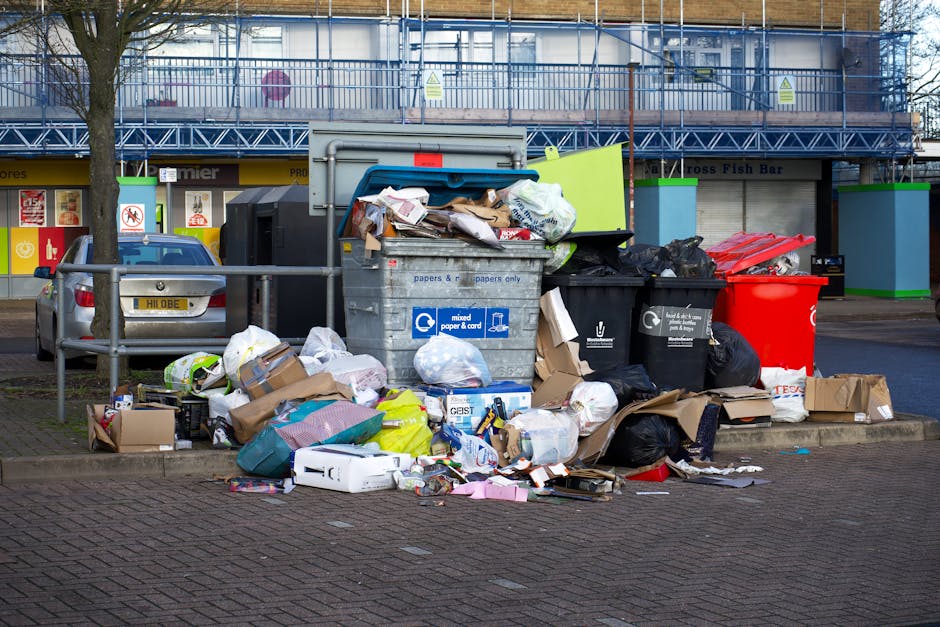
SE19 bulky waste pickup: what Crystal Palace residents need
Bulky waste is one of those household jobs that looks simple until you actually start dragging an old sofa down the hallway or trying to work out where a broken wardrobe should go. If you live in Crystal Palace and you need SE19 bulky waste pickup: what Crystal Palace residents need is usually less about theory and more about speed, access, disposal rules, and avoiding a pile-up of items that cannot just be left beside the bins.
This guide explains what counts as bulky waste, how collection usually works, what to prepare, and when a private clearance service may be the smoother choice. You will also find a practical checklist, a comparison table, and a real-world example to help you decide the most sensible route for your home, flat, or property in SE19.
Expert summary: If your bulky items are awkward, heavy, mixed with other waste, or time-sensitive, plan the pickup before you move the first item. That one small decision can save a lot of lifting, waiting, and last-minute stress.
Why SE19 bulky waste pickup: what Crystal Palace residents need Matters
Crystal Palace has a mix of Victorian terraces, mansion blocks, purpose-built flats, maisonettes, and busy residential streets. That matters because bulky waste is not just a disposal issue; it is often an access issue. A large mattress may be easy to move in a house with a front path, but far less easy in a top-floor flat with narrow stairs and no lift. A dismantled wardrobe may fit the idea of "rubbish", but still be too awkward for normal bin storage.
For residents in SE19, bulky waste pickup matters for three simple reasons. First, it helps keep communal areas clear and safe. Second, it reduces the chance of fly-tipping or items being left out too early. Third, it gives you a proper disposal route for objects that should not be squeezed into general waste. That includes things like broken furniture, old white goods, large toys, and mixed household clutter.
There is also a practical planning angle. If you are moving home, redecorating, clearing a loft, or emptying a rented flat, bulky waste can become the hidden time sink in the whole job. Getting it removed properly means you can focus on the actual project rather than the aftermath.
For people who want a broader property clearance solution rather than a one-off collection, it can help to look at a wider waste removal service in Crystal Palace or a more focused furniture disposal option if the main problem is old sofas, tables, or wardrobes.
How SE19 bulky waste pickup: what Crystal Palace residents need Works
At a basic level, bulky waste pickup works by matching your items to the right collection method. Some people use a council bulky waste service where available. Others choose a private clearance company for faster timing, larger loads, or more flexible access. The best route depends on the size of the load, where the items are located, and how quickly they need to go.
In most cases, the process follows a similar pattern:
- You identify the items that need removing.
- You check whether they can be accepted, lifted safely, and separated from any hazardous material.
- You arrange a collection time or request a quote.
- The crew arrives, confirms the load, and removes the items.
- The waste is then sorted, reused, recycled, or disposed of through the appropriate channel.
The details matter. A single sofa is not the same as a full flat clearance. A pile of mixed rubbish is not the same as furniture-only removal. And a collection from a ground-floor house is not the same as carrying items down three flights of communal stairs. These practical differences affect timing, pricing, and the kind of vehicle or manpower required.
If you are dealing with a lot of items from a whole property, a house clearance service or a home clearance solution may be more efficient than booking several smaller pickups. For flats and upper-floor properties, a flat clearance can be the more realistic option.
What usually counts as bulky waste?
Typical bulky items include mattresses, wardrobes, sofas, chairs, tables, cupboards, bed frames, broken shelving, garden furniture, and large appliances that are no longer wanted or working. In some cases, items from a garage, loft, or shed can also fall into bulky waste if they are large enough to require special handling.
Not everything large can be collected in the same way. Electrical items, fridges, paint, chemicals, gas bottles, and some renovation materials can have separate handling needs. If your load includes construction debris, it is wiser to treat it as a different job and look at a suitable builders waste clearance route rather than mixing it in with household furniture.
Key Benefits and Practical Advantages
People usually think about bulky waste pickup as a convenience service, but the real benefits are broader than that. The first win is obvious: less heavy lifting and less risk of damaging walls, floors, or stairwells while trying to move awkward items yourself. Anyone who has tried to turn a wardrobe on a tight landing knows the feeling.
The second benefit is speed. If you need a room cleared for decorating, end-of-tenancy handover, or a delivery, fast removal can prevent the whole plan from slipping. The third is tidiness. Bulky items left in a hallway, front garden, or communal entrance can quickly make a property feel cluttered, even when the rest of the space is organised.
There is also a sustainability benefit, provided the items are handled properly. Reusable furniture, clean timber, metal components, and some electricals can often be directed away from landfill where suitable. If environmental handling matters to you, look for a provider that explains its recycling approach clearly, such as the guidance on recycling and sustainability practices.
For landlords and letting agents, bulky waste pickup helps reduce turnaround time between tenants. For homeowners, it can make renovation or downsizing less overwhelming. And for anyone in a flat with limited storage, it can stop one unwanted chair from living in the bedroom for six months, which somehow seems to happen far too often.
Who This Is For and When It Makes Sense
This kind of pickup is useful for a wide range of Crystal Palace residents. If you are a homeowner clearing out old furniture, a tenant moving out, a landlord preparing a property, or a family dealing with inherited belongings, bulky waste removal can save time and reduce friction.
It also makes sense in situations that are easy to underestimate. For example, a loft clear-out often turns up broken suitcases, old shelving, and bits of furniture that are too large for normal rubbish bags. A loft clearance service is usually much better suited to that kind of job. Likewise, if the garage has become a storage overflow zone for bikes, broken appliances, and old cabinets, a garage clearance can be the cleaner solution.
Here is a simple rule of thumb: if the item is too large to fit comfortably in a regular waste container, awkward to carry, or difficult to break down safely, it is probably a bulky waste job. If the load is mixed, heavy, or spread across multiple rooms, consider whether a broader clearance service would save more time than trying to piece it together yourself.
Step-by-Step Guidance
If you want a smooth pickup, preparation matters more than most people expect. A little organisation upfront prevents delays on the day and avoids the common "oh, we forgot about that extra chair" moment.
- List every item. Write down what you want removed, room by room if necessary. This helps you avoid missing pieces and makes quoting easier.
- Separate keep, donate, recycle, and dispose. Not every large item belongs in the same pile. If something is usable, it may be better to reuse or donate it where possible.
- Check access. Measure doorways, stair turns, shared hallways, and parking access if relevant. Access problems are one of the most common reasons jobs take longer than expected.
- Remove personal items. Empty drawers, cupboards, and under-bed storage before collection. It sounds obvious, but it is a step people often rush.
- Flag special materials. Batteries, liquids, paint, sharp fragments, and electrical items should be identified early.
- Book the right service. If it is one sofa, a targeted furniture pickup may be enough. If it is a whole room or property, book a clearance that matches the scale.
- Keep the route clear. Hallways, stairwells, and entrance paths should be as unobstructed as possible on collection day.
- Confirm what happens after collection. Ask whether items will be reused, recycled, or disposed of through licensed channels.
For many households, it is useful to combine bulky pickup with a more complete furniture clearance if the items are mostly household pieces rather than mixed rubbish.
Expert Tips for Better Results
Here are the practical details that tend to make the biggest difference.
1. Group items by type. Sofas together, wood furniture together, electricals together. This helps everyone understand the load and reduces confusion on site.
2. Photograph awkward pieces in advance. A quick photo of a damaged wardrobe, oversized mattress, or dismantled shelving unit can help with accurate planning.
3. Don't wait until the last minute. If you are tied to a tenancy deadline, move-out date, or building works schedule, book earlier than you think you need to. The calendar fills up fast when lots of people are clearing properties at once.
4. Be honest about access. If there is no lift, limited parking, or a long carry distance, say so. This is not a problem; it is just information that helps the job go smoothly.
5. Think in terms of total clutter, not individual items. A single item can be picked up quickly. A cluster of old bits and pieces from a shed, hall cupboard, and spare room often becomes a larger job than it first appears.
6. Use the right specialist page when needed. For example, if the problem is an office fit-out rather than a home, a dedicated office clearance service or business waste removal is more appropriate than a domestic-only solution.
One small but useful habit: stand at the front door and mentally trace the route each item will take. If you can spot the tight bend or low shelf before collection day, you save yourself a lot of awkward improvisation.
Common Mistakes to Avoid
The most common mistakes are not dramatic, but they do create headaches. The first is underestimating the volume of waste. People often think they have "just a few things" and then discover a mattress, two chairs, a bedside cabinet, and a dismantled desk hiding behind them.
The second mistake is mixing incompatible waste types. Construction rubble, electricals, and general household furniture should not automatically go in the same pile. This can affect what can be collected and how the waste needs to be processed.
The third mistake is leaving things too late. If bulky items are blocked in by other clutter, or if a lease end date is looming, delay usually makes the job more expensive and more stressful.
The fourth is poor access preparation. If the crew cannot safely move items because hallways are blocked or parking was not planned, the collection becomes slower and less efficient. That is true whether you use a council route or a private service.
The fifth is assuming every item can be handled the same way. A wardrobe, a broken washing machine, and old garden sleepers may all look like "just rubbish", but they can be processed differently. For outdoor clutter, a dedicated garden clearance is often a better fit.
Tools, Resources and Recommendations
You do not need specialist equipment for every job, but a few simple tools make bulky waste preparation easier. Heavy-duty gloves are useful. So are a tape measure, a torch for lofts or storage rooms, and strong bags for loose contents pulled from furniture or cupboards.
For small dismantling tasks, a screwdriver set, Allen keys, and a utility knife can help break down larger items into manageable parts. Just keep safety in mind. If an item is glued, corroded, or unstable, do not force it apart in a hurry.
It can also help to review a provider's service information before booking. Pages like pricing and quotes, insurance and safety, and health and safety policy give a clearer picture of how a company works and what standards they follow.
If you are comparing companies, look for clear communication, realistic appointment windows, and a sensible explanation of what happens to the waste after collection. A good service should feel organised rather than mysterious. That is a low bar, but surprisingly useful.
Law, Compliance, Standards, or Best Practice
Bulky waste removal in the UK sits within broader waste handling expectations, even when the job is relatively straightforward. The safe approach is to use a provider that operates responsibly, carries appropriate insurance, and handles waste through lawful and traceable channels. If you are a resident, the key point is simple: do not assume that every collection option is equally suitable or equally compliant.
Best practice usually includes separating hazardous items, avoiding contamination of recyclable waste, and not leaving waste in shared areas where it could obstruct access or create a nuisance. For landlords, managing a clear handover is particularly important because abandoned bulky items can become a dispute point at the end of a tenancy.
It is also wise to check terms and conditions before booking, especially if you are clearing a full property or mixed load. For peace of mind, you may also want to review the provider's service terms and complaints procedure. Those pages are not the exciting part of the job, but they are exactly the kind of detail that signals a company takes the work seriously.
Where electricals or specialist waste are involved, the safest rule is to ask first rather than guess. That keeps you on the right side of good practice and prevents the awkward moment where a collection team has to stop halfway through because an item was not suitable for the original booking.
Options, Methods, or Comparison Table
There is no single best method for every Crystal Palace household. The right choice depends on urgency, volume, access, and how much effort you want to spend yourself.
| Option | Best for | Advantages | Limitations |
|---|---|---|---|
| Council bulky waste pickup | Small to moderate loads with flexible timing | Often straightforward for standard household items | May have limited dates, item rules, or capacity |
| Private bulky waste collection | Faster turnaround or more awkward access | More flexible, can handle larger or mixed jobs | Usually costed by load, access, and labour |
| Furniture-only removal | Sofas, beds, tables, wardrobes | Good for clear, single-category loads | Not ideal if waste is mixed or spread across rooms |
| Full property clearance | Moves, probate, end-of-tenancy, downsizing | Best when there is a lot to remove in one visit | More planning needed, especially for access |
As a practical example, a single mattress and bed frame may be enough for a narrow-scope collection. But if the bedroom also contains old drawers, a broken chair, spare packing materials, and a pile from the loft, a broader home or house clearance often makes better operational sense.
For larger loads, you may also want to compare with a specialist house clearance option or explore a more general waste removal service if the job has multiple waste types.
Case Study or Real-World Example
A Crystal Palace resident in a second-floor flat decides to clear an old sofa, a broken coffee table, a wardrobe, and a boxed-up mix of household items before a tenancy check-out. On paper, it seems manageable. In reality, the building has a narrow stairwell, limited parking, and a communal entrance that must stay clear.
The resident first separates the items into furniture, loose clutter, and anything that may need special attention. They take a few photos, measure the largest pieces, and confirm access details. Because the load is more than a single item and the flat has awkward access, they choose a flat clearance rather than trying to solve the problem one object at a time.
The result is simple: the hallway is cleared in one visit, there is no long trail of items left out waiting for a second trip, and the move-out deadline stays intact. That is really the heart of a good bulky waste plan. It is not just about removal. It is about removing friction.
If the same resident had only needed to remove a worn dining set, a more targeted furniture collection would probably have been enough. The point is to match the service to the actual job, not the job you hoped you had.
Practical Checklist
Use this before you book or prepare a pickup:
- List every bulky item you want removed.
- Separate reusable items from waste.
- Identify anything hazardous, sharp, or electrical.
- Measure large items and note access restrictions.
- Check whether the property has stairs, lifts, or parking constraints.
- Decide whether you need a single-item pickup or a fuller clearance.
- Clear the route from the item to the exit.
- Remove personal belongings from drawers and cupboards.
- Review pricing, terms, and safety information before booking.
- Confirm the collection date and what happens if access changes.
If you are dealing with a bigger clear-out, it can help to start from a broad service page such as home clearance and then narrow down from there if needed.
Conclusion
SE19 bulky waste pickup is easiest when you think of it as a planning task, not just a disposal task. The right choice depends on what you are removing, where it is located, and how quickly you need it gone. For some residents, a simple furniture pickup is enough. For others, a flat, loft, garage, or full house clearance is the better route.
The main thing is to choose the service that fits the real situation in front of you. That means checking access, separating waste types, preparing the route, and making sure the collection method suits the load. Do that, and the job becomes much less of a headache.
Get a free quote today and see how much you can save.
To discuss your options or arrange a collection, you can also visit the Crystal Palace contact page or read more about the team on the about us page.
Frequently Asked Questions
What counts as bulky waste in Crystal Palace?
Bulky waste usually means items too large or awkward for normal household bins, such as sofas, wardrobes, mattresses, tables, and similar large household objects.
Can I leave bulky items on the pavement for pickup?
Only if the collection service specifically instructs you to do so and the items are placed in the correct way. Otherwise, leaving waste out can create safety issues or nuisance problems.
Is bulky waste pickup the same as furniture disposal?
Not always. Furniture disposal is narrower and focuses on furniture items, while bulky waste may also include mixed household items, loose clutter, and other large objects.
Do I need to dismantle furniture before collection?
Not necessarily, but dismantling can help if the item is very large or difficult to move. If you are unsure, ask the provider before you start taking things apart.
What if I live in a flat with narrow stairs?
That is exactly the kind of access detail you should mention early. Narrow stairs, tight corners, and no lift can all affect how the job is planned and priced.
How far in advance should I book?
If your collection is tied to a move-out date, renovation, or tenancy deadline, book as early as possible. Even a small delay can make a big difference when access is limited.
Can I include mixed rubbish with bulky furniture?
Sometimes yes, sometimes no. Mixed loads need to be assessed carefully because certain items require separate handling or may not be accepted with standard furniture.
Is bulky waste pickup good for landlords?
Yes. It is often useful after tenant moves, during refurbishments, or when clearing abandoned items from a property between lets.
What should I ask before I get a quote?
Ask what is included, whether labour and loading are covered, how access affects pricing, and what happens to reusable or recyclable items.
Can old garden items be collected too?
Yes, often they can, but garden waste and garden furniture may be handled differently from indoor furniture. For larger outdoor jobs, a dedicated garden clearance is usually more efficient.
What if the bulky waste is part of a larger home clear-out?
If the job spans multiple rooms, lofts, garages, or storage spaces, a broader clearance service is usually the better fit than booking several small pickups.
How do I know if a provider is trustworthy?
Look for clear service information, sensible pricing, safety and insurance details, and straightforward contact options. A provider that explains its process clearly is usually a better bet than one that is vague about everything.